
Executive Assistant Toolkit 2026: 3 Templates CEOs Need
Unlock 2026 with this Executive Assistant toolkit: 3 powerful templates CEOs and business owners need to scale without micromanagement.

Even the best Executive Assistant can hit a wall without structure.
They’re smart. They’re proactive. But when it comes to planning and execution, most EAs are flying blind—reacting to tasks instead of driving momentum. That’s a problem for founders trying to scale.
In founder-led companies, delegation isn’t just about offloading to-do’s. It’s about moving the business forward without being in every decision. For that, you need an Executive Assistant equipped to act as an extension of your brain—especially when it comes to planning. That’s where the right templates make all the difference.
At HelpFlow, we’ve spent over a decade training Executive Assistants to be operational force multipliers, not just inbox filters. With the right tools and support, your EA can become the engine that turns strategy into execution—week after week, quarter after quarter.
Let’s break down the 2026 Execution Toolkit and show you how it works.
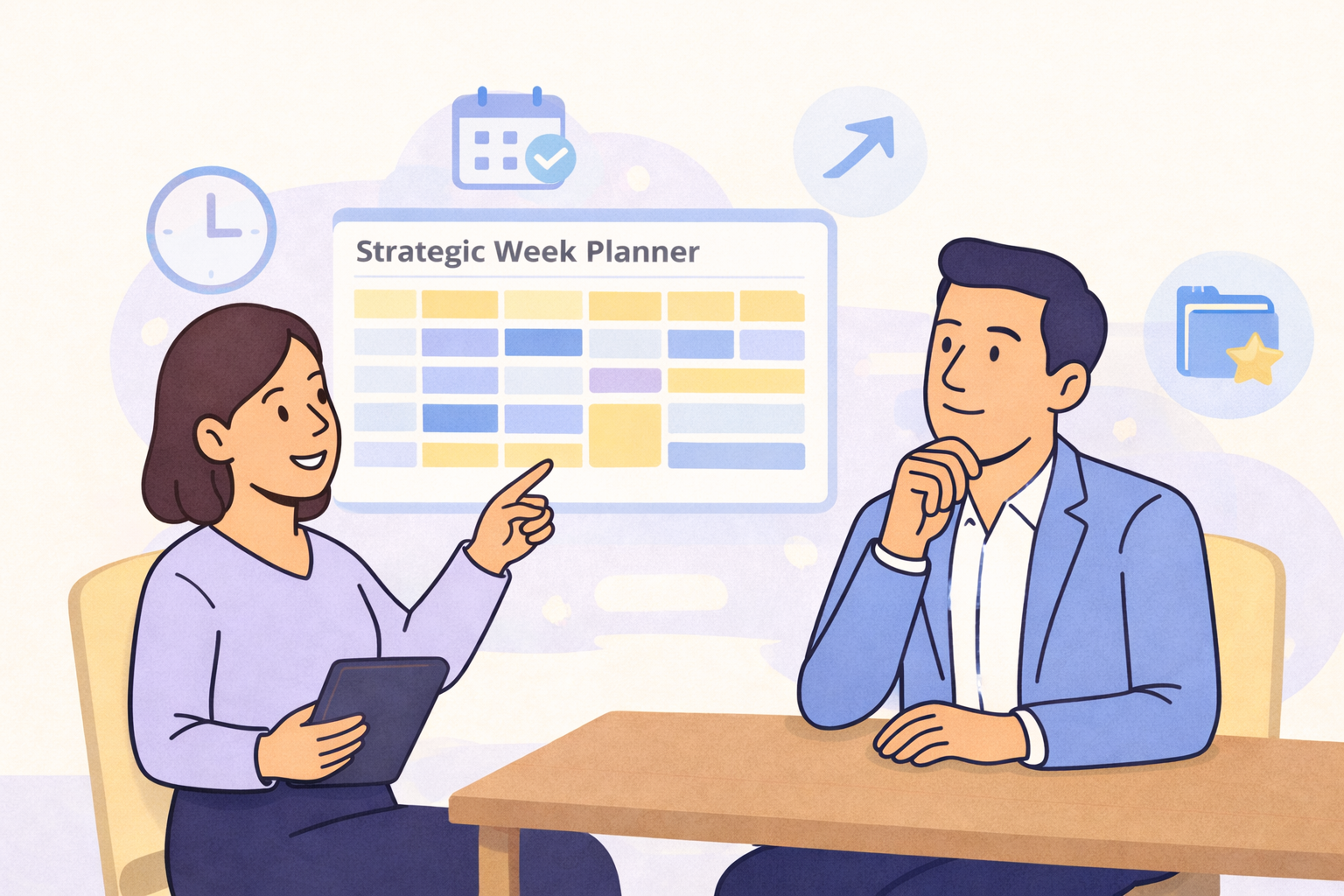
Executive Assistant Strategic Week Planner
Most Executive Assistants get a to-do list. Not a strategy. That’s why even top EAs end up stuck in the weeds—reacting to tasks instead of driving progress. Without clear weekly direction, priorities get lost and execution stalls.
A strategic Weekly Planner fixes that. It’s a simple, structured way for your Executive Assistant to tie their work directly to what actually moves your company forward. Instead of reacting to meetings or inbox noise, your EA works off a strategic roadmap each week.
Here’s the system:
- You share a brief voice note on Friday with your top 3–5 goals.
- Your Executive Assistant translates it into a one‑page weekly plan—objectives, milestones, and non‑negotiables.
- You review async with a quick thumbs‑up and everyone stays aligned.
This isn’t just calendar management. It’s turning your Executive Assistant into an execution partner who anticipates needs, plans proactively, and pushes forward while you stay focused.
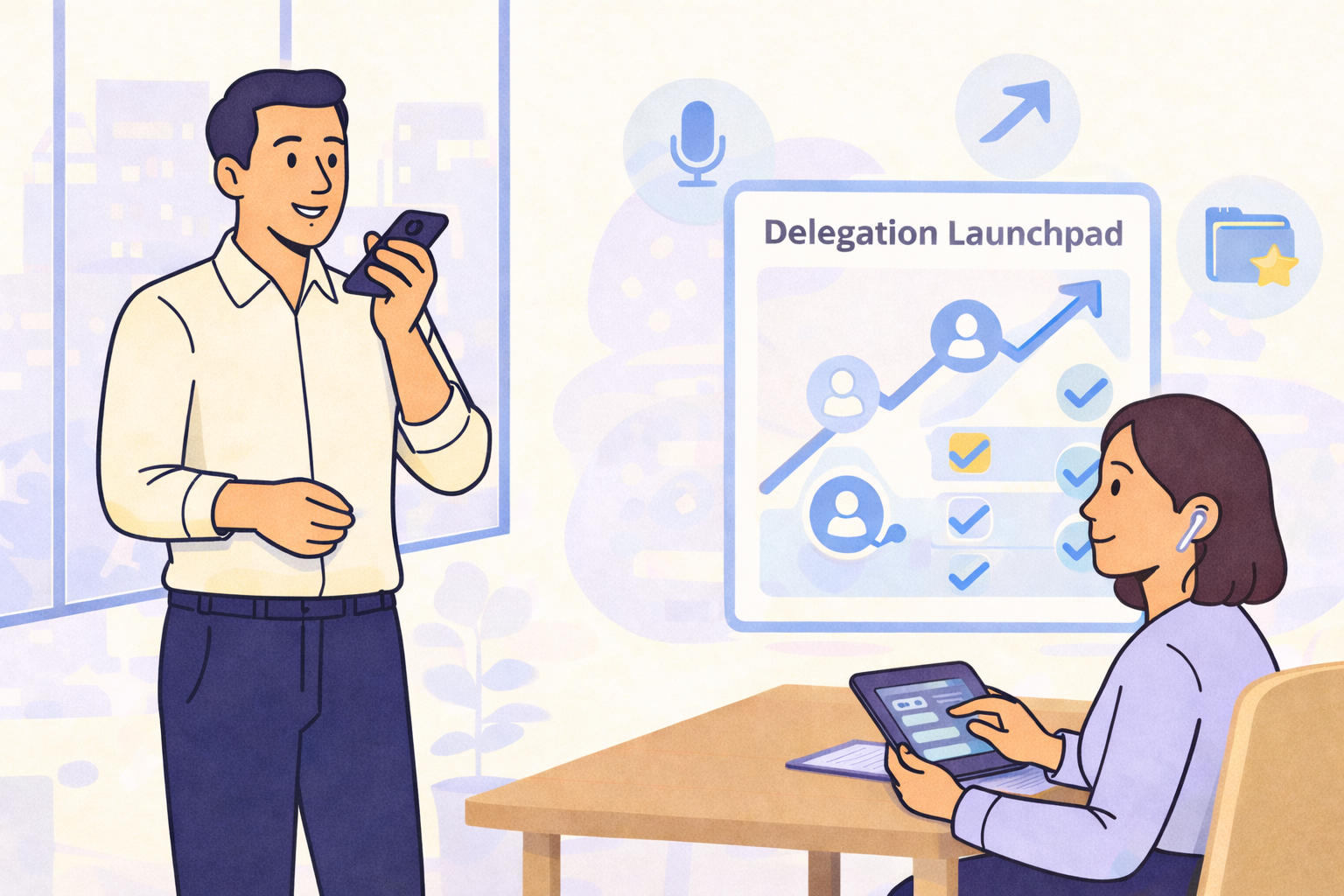
Executive Assistant Delegation Launchpad
Delegation stalls when you overthink it. Most founders try to perfect a task before handing it off. That delay turns into weeks—or months—of doing things you shouldn’t be touching. Your Executive Assistant stays stuck in support mode instead of running real outcomes.
The Delegation Launchpad changes that. It’s a lightweight system that turns raw input—voice notes, Looms, Slack rants—into clear, repeatable workflows your EA can execute and refine.
Here’s how it works:
- You capture the task as you do it—no prep, just talk it out.
- Your EA builds the process around it—steps, tools, edge cases.
- You review asynchronously, tweak if needed, and move on.
It’s fast, async, and scalable. And because your Executive Assistant owns the loop, it keeps improving over time.This is how you unlock real leverage—by handing things off before they’re perfect, and trusting your EA to build the engine while it runs.
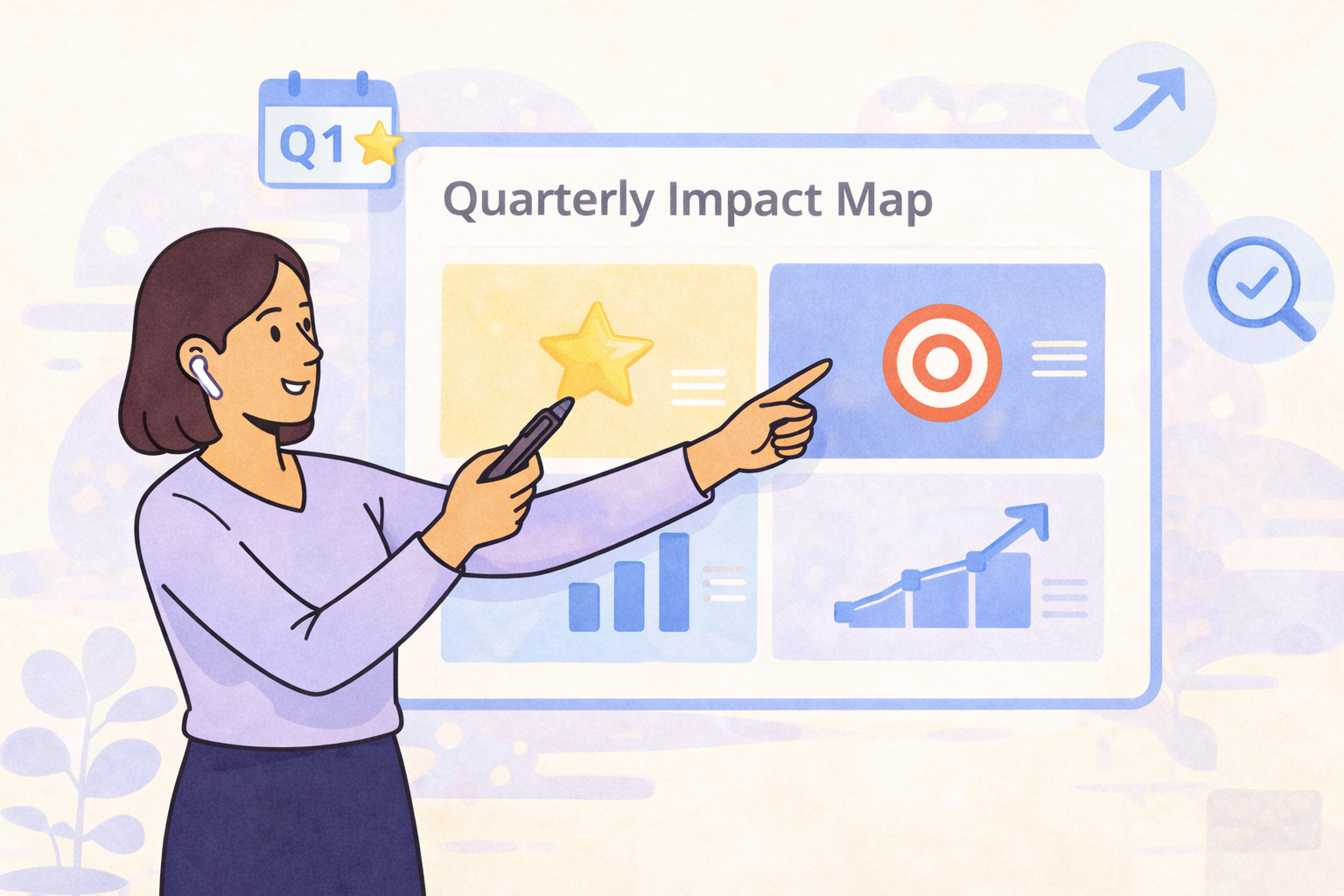
Executive Assistant Quarterly Impact Map
Big goals drift when there’s no clear way to track them. Founders set bold quarterly targets—but without a system to connect daily execution to long-term outcomes, momentum fades. Projects sprawl and your team ends up busy, not effective.
The Quarterly Impact Map keeps execution locked onto what matters. It’s a simple tool your Executive Assistant uses to track progress on strategic initiatives and flag what’s off course—before it becomes a problem.
Here’s how it works:
- Each project gets mapped to a quarterly objective.
- Your EA tracks progress weekly and updates status in a shared dashboard.
- You get async summaries—what’s moving, what’s stuck, what needs input.
Paired with efficient systems and AI tools, your Executive Assistant can also auto-pull updates from Slack, CRMs, or project tools—keeping your visibility high and micromanagement low.
Scale Execution Without Micromanagement
A great Executive Assistant doesn’t just take tasks off your plate—they drive outcomes.
With the right systems, they become an extension of your strategy: planning your week with clarity, turning messy delegation into structured workflows, and keeping long-term goals on track.
At HelpFlow, every EA comes equipped with these execution templates—and the training to use them from day one. No hand-holding. Just forward motion.
Ready to scale without being the bottleneck?
Try our FREE Voice Note to Meeting GPT—just drop a quick voice note, and it builds a focused prep pack your EA can use to streamline meetings and drive decisions.
Stop running customer service yourself.
HelpFlow runs managed customer service operations for e-commerce businesses — recruiting, training, QA, and performance management. Book fifteen minutes and we'll map your volume and your gaps.